


Ghee batti, also known as ghee diya, is a type of lamp used in Hindu religious ceremonies, particularly during puja or worship. It is made by melting ghee, which is clarified butter, and pouring it into a small clay or metal container with a cotton wick. The wick is lit and the ghee burns slowly, producing a bright flame and a pleasant aroma. Ghee is believed to be a pure substance that is offered to deities as a symbol of purity and devotion. Lighting a ghee batti is considered to bring good luck and blessings, and is a common practice during festivals and other auspicious occasions. The flame of the ghee batti is believed to represent the divine light of the deity being worshipped, and is used to purify the environment and create a sacred atmosphere. Ghee batti can also be used for aromatherapy, as the burning ghee releases a pleasant scent that is said to have a calming effect on the mind and body. In addition to its religious and spiritual significance, ghee batti is also used in traditional medicine for its therapeutic properties. It is believed to have a cooling effect on the body and can be used to treat various ailments such as inflammation, sore throat, and cough. Ghee batti remains an important part of Hindu culture and tradition, and is used in many homes and temples for its spiritual, therapeutic, and aromatic properties.
Related products
-
 Read more
Tilak Chandan Paste: Meaning and Ritual Significance Tilak Chandan paste, made from sandalwood (chandan), is a sacred substance widely used in Hindu rituals and spiritual practices. Prepared by rubbing a sandalwood stick on a stone with a few drops of water or rose water, this aromatic paste holds immense religious and cultural significance. In pujas…
-
 Read more
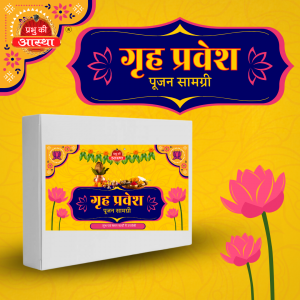
Grih Pravesh Puja Kit – Complete Essentials for an Auspicious New Beginning Step into your new home with divine blessings and positive energy using our Grih Pravesh Puja Kit, a comprehensive set of sacred items specially curated for performing the traditional housewarming ceremony. According to Vastu and Hindu traditions, a Grih Pravesh Puja cleanses the space,…
-
 Read more
Gaumutra, also known as cow urine, is a substance that has been used for centuries in Ayurveda, an ancient system of medicine that originated in India. Cow urine is considered to be a sacred substance in Hinduism, and it is believed to have medicinal properties that can help treat various ailments. In Ayurveda, gaumutra is…
-
 Read more
Kumkum, also known as kumkuma or sindoor, is a powder that is traditionally used in Hindu religious rituals and in traditional Indian makeup. It is made from a combination of turmeric and slaked lime, which gives it a distinctive red-orange color. Kumkum is often applied to the forehead, as a bindi or tilak, as a symbol of marriage, and for religious or cultural purposes. In addition to its use in rituals, kumkum has also been used in traditional medicine for its antiseptic and anti-inflammatory properties. Some people use it as a natural remedy for skin conditions such as acne and eczema. While kumkum is generally considered safe for external use, it should not be ingested or used in excessive amounts. It is important to purchase kumkum from a trusted source and to avoid using products that contain harmful additives or chemicals.
Reviews
There are no reviews yet.