
-
 Read more
Mouli Kalawa, also known as Moli or Mauli, is a sacred thread used in Hinduism and is an essential part of many religious ceremonies. It is usually made of cotton or silk and is tied on the wrist of the person performing the puja or the person for whom the puja is being performed.
The Mouli Kalawa is considered as a symbol of protection, good fortune, and purity. It is believed that tying the thread on the wrist wards off negative energies and evil spirits and brings good luck and prosperity to the person wearing it.
During religious ceremonies or puja, the priest or the elder family member ties the thread on the right wrist of men and the left wrist of women while chanting mantras and prayers. The thread is usually tied in multiple loops, and the length of the thread varies depending on the region and tradition.
In addition to religious ceremonies, the Mouli Kalawa is also tied during special occasions such as weddings, childbirth, and other auspicious events. It is considered auspicious to wear the thread until it falls off naturally, which is believed to happen when the blessings of the deity or the occasion have been fulfilled.
In conclusion, Mouli Kalawa holds great significance in Hinduism and is an integral part of many religious and cultural ceremonies. It is a symbol of protection, good fortune, and purity and is believed to bring blessings and prosperity to the wearer.
-
 Read more
Mouli Kalawa, also known as Moli or Mauli, is a sacred thread used in Hinduism and is an essential part of many religious ceremonies. It is usually made of cotton or silk and is tied on the wrist of the person performing the puja or the person for whom the puja is being performed.
The Mouli Kalawa is considered as a symbol of protection, good fortune, and purity. It is believed that tying the thread on the wrist wards off negative energies and evil spirits and brings good luck and prosperity to the person wearing it.
During religious ceremonies or puja, the priest or the elder family member ties the thread on the right wrist of men and the left wrist of women while chanting mantras and prayers. The thread is usually tied in multiple loops, and the length of the thread varies depending on the region and tradition.
In addition to religious ceremonies, the Mouli Kalawa is also tied during special occasions such as weddings, childbirth, and other auspicious events. It is considered auspicious to wear the thread until it falls off naturally, which is believed to happen when the blessings of the deity or the occasion have been fulfilled.
In conclusion, Mouli Kalawa holds great significance in Hinduism and is an integral part of many religious and cultural ceremonies. It is a symbol of protection, good fortune, and purity and is believed to bring blessings and prosperity to the wearer.
-
 Read more
Mouli Kalawa, also known as Moli or Mauli, is a sacred thread used in Hinduism and is an essential part of many religious ceremonies. It is usually made of cotton or silk and is tied on the wrist of the person performing the puja or the person for whom the puja is being performed.
The Mouli Kalawa is considered as a symbol of protection, good fortune, and purity. It is believed that tying the thread on the wrist wards off negative energies and evil spirits and brings good luck and prosperity to the person wearing it.
During religious ceremonies or puja, the priest or the elder family member ties the thread on the right wrist of men and the left wrist of women while chanting mantras and prayers. The thread is usually tied in multiple loops, and the length of the thread varies depending on the region and tradition.
In addition to religious ceremonies, the Mouli Kalawa is also tied during special occasions such as weddings, childbirth, and other auspicious events. It is considered auspicious to wear the thread until it falls off naturally, which is believed to happen when the blessings of the deity or the occasion have been fulfilled.
In conclusion, Mouli Kalawa holds great significance in Hinduism and is an integral part of many religious and cultural ceremonies. It is a symbol of protection, good fortune, and purity and is believed to bring blessings and prosperity to the wearer.
-
 Read more
Mouli Kalawa, also known as Moli or Mauli, is a sacred thread used in Hinduism and is an essential part of many religious ceremonies. It is usually made of cotton or silk and is tied on the wrist of the person performing the puja or the person for whom the puja is being performed.
The Mouli Kalawa is considered as a symbol of protection, good fortune, and purity. It is believed that tying the thread on the wrist wards off negative energies and evil spirits and brings good luck and prosperity to the person wearing it.
During religious ceremonies or puja, the priest or the elder family member ties the thread on the right wrist of men and the left wrist of women while chanting mantras and prayers. The thread is usually tied in multiple loops, and the length of the thread varies depending on the region and tradition.
In addition to religious ceremonies, the Mouli Kalawa is also tied during special occasions such as weddings, childbirth, and other auspicious events. It is considered auspicious to wear the thread until it falls off naturally, which is believed to happen when the blessings of the deity or the occasion have been fulfilled.
In conclusion, Mouli Kalawa holds great significance in Hinduism and is an integral part of many religious and cultural ceremonies. It is a symbol of protection, good fortune, and purity and is believed to bring blessings and prosperity to the wearer.
-
 Read more
Mul Shanti Puja Samagri – A Complete Kit for Peace and Prosperity Our Mul Shanti Puja Samagri is a thoughtfully curated collection of sacred items designed to perform the traditional Mul Shanti Puja, a vital Vedic ritual for nullifying the malefic effects of planetary positions and ensuring harmony in life. This complete kit is ideal for individuals…
-
 Read more
Mul Shanti Puja Samagri – A Complete Kit for Peace and Prosperity Our Mul Shanti Puja Samagri is a thoughtfully curated collection of sacred items designed to perform the traditional Mul Shanti Puja, a vital Vedic ritual for nullifying the malefic effects of planetary positions and ensuring harmony in life. This complete kit is ideal for individuals…
-
 Read more
Mulethi powder, also known as licorice powder, is a natural supplement made from the root of the Glycyrrhiza glabra plant. It has been used for centuries in traditional medicine to support overall health and wellness.
Mulethi powder is known for its anti-inflammatory, antioxidant, and immunomodulatory properties. It is commonly used to alleviate symptoms of various health conditions, including respiratory issues, digestive problems, and skin irritations.
In traditional medicine, Mulethi powder is also believed to help regulate blood sugar levels and support liver health. It may also have anti-viral and anti-cancer properties.
Mulethi powder is a natural source of antioxidants, which can help protect the body against free radical damage and support overall health. It is also a rich source of flavonoids and other beneficial compounds.
Mulethi powder can be used in a variety of ways. It can be brewed into a tea, added to smoothies, or used as a seasoning for dishes. It can also be used topically as a natural treatment for skin and hair health.
Overall, Mulethi powder is a natural and safe supplement that can provide numerous health benefits. However, it is always important to consult with a healthcare provider before starting any new supplement regimen, especially if you have any pre-existing medical conditions or are taking any medications.
-
 Read more
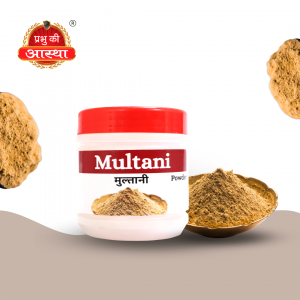
Multani powder, also known as fuller’s earth, is a type of clay that is widely used in traditional medicine and skincare. It is derived from sedimentary rocks and is known for its absorbent and cleansing properties.
Multani powder is a natural source of minerals, including magnesium, calcium, and silica. It is commonly used as a natural remedy for various skin conditions, including acne, oily skin, and skin inflammation.
Multani powder can help to absorb excess oil and impurities from the skin, making it a popular ingredient in facial masks and cleansers. It is also believed to help improve skin tone and reduce the appearance of fine lines and wrinkles.
In traditional medicine, Multani powder is also used to support digestive health and as a natural remedy for diarrhea and other gastrointestinal issues.
Multani powder can be used in a variety of ways. It can be mixed with water or other natural ingredients to create a facial mask or cleanser. It can also be used as a natural deodorant or as a natural remedy for insect bites and stings.
Overall, Multani powder is a natural and safe ingredient that can provide numerous health and skincare benefits. However, it is always important to consult with a healthcare provider before using any new skincare or health products, especially if you have any pre-existing medical conditions or are taking any medications.
-
 Read more
Mundan Puja Samagri: The Sacred Essentials for a Child’s First Hair-Cutting Ceremony Mundan Puja, also known as Chudakarana, is a significant Hindu ritual that marks the first hair-cutting ceremony of a child, usually performed during infancy or early childhood. This ceremony holds deep spiritual and cultural meaning, symbolizing the purification of the child’s body and…
-
Read more
Murti Pran Pratishtha Puja Samagri: The Sacred Items for Invoking Divine Presence Murti Pran Pratishtha Puja is a sacred Hindu ritual performed to consecrate an idol (murti) of a deity and invoke the divine presence into the statue. This puja is essential for transforming a mere idol into a living representation of the deity, enabling…
-
Read more
Nag-Dosh Nivaran Puja is a sacred Hindu ritual performed to alleviate the adverse effects of Nag Dosha, believed to be caused by the malefic influence of serpents or planetary alignments associated with them. It is commonly conducted to seek relief from problems related to health, relationships, and financial difficulties. The samagri kit for this puja…
+91-70004-81239
