
-
 Read more
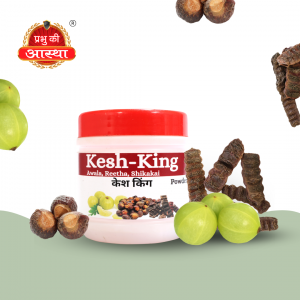
Keshking powder is a popular hair care product that is used to promote healthy and strong hair. It is a natural blend of herbs and other ingredients that have been traditionally used in Ayurvedic medicine to support hair growth and reduce hair fall. The powder is typically mixed with water or oil to create a paste, which is then applied to the hair and scalp.
Keshking powder contains ingredients such as bhringraj, amla, shikakai, neem, henna, and fenugreek, which are known to nourish and strengthen hair follicles, improve scalp health, and prevent hair loss. These herbs are also believed to stimulate hair growth and improve hair texture and shine.
Regular use of Keshking powder can help address various hair issues such as dandruff, dryness, and thinning. It is a safe and natural alternative to chemical-laden hair products and is suitable for all hair types. However, it is always advisable to perform a patch test before using any new hair care product.
Overall, Keshking powder is a popular choice for those looking for a natural and effective solution to improve hair health and promote hair growth.
-
 Read more
Ketu Dosh Puja Samagri: A Sacred Ritual for Removing Ketu’s Negative Influence Ketu Dosh Puja is a significant ritual in Vedic astrology, performed to mitigate the malefic effects of Ketu, one of the nine planets (Navagraha) in Hindu astrology. Ketu is associated with spiritual growth, enlightenment, but when positioned unfavorably in one’s birth chart, it…
-
Read more
Ketu Dosh Puja Samagri: A Sacred Ritual for Removing Ketu’s Negative Influence Ketu Dosh Puja is a significant ritual in Vedic astrology, performed to mitigate the malefic effects of Ketu, one of the nine planets (Navagraha) in Hindu astrology. Ketu is associated with spiritual growth, enlightenment, but when positioned unfavorably in one’s birth chart, it…
-
 Read more
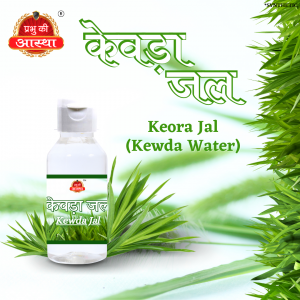
Keora water is a fragrant water made from the distilled flowers of the keora plant, also known as the pandanus plant. The keora plant is native to Southeast Asia, and is commonly used in traditional medicine, cooking, and perfumery.
Keora water is widely used in Indian and Bangladeshi cuisine to flavor sweet dishes such as rice puddings, milk-based desserts, and sweetened beverages. It is also commonly used in perfumery, particularly in the production of attars, which are traditional Indian perfumes made from natural ingredients.
In addition to its culinary and fragrance uses, keora water is also believed to have medicinal properties. It is often used in traditional medicine to treat various ailments, including digestive issues, fever, and headaches.
Keora water is typically available in specialty food stores and online, and is often used in small quantities to add a distinctive floral flavor to dishes and beverages. While keora water is generally considered safe, it is important to ensure that you are using high-quality, pure keora water to avoid potential contamination or adverse reactions.
-
 Read more
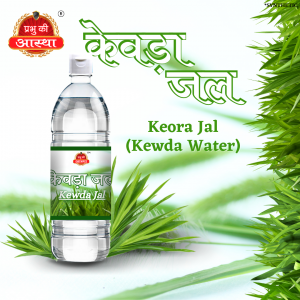
Keora water is a fragrant water made from the distilled flowers of the keora plant, also known as the pandanus plant. The keora plant is native to Southeast Asia, and is commonly used in traditional medicine, cooking, and perfumery.
Keora water is widely used in Indian and Bangladeshi cuisine to flavor sweet dishes such as rice puddings, milk-based desserts, and sweetened beverages. It is also commonly used in perfumery, particularly in the production of attars, which are traditional Indian perfumes made from natural ingredients.
In addition to its culinary and fragrance uses, keora water is also believed to have medicinal properties. It is often used in traditional medicine to treat various ailments, including digestive issues, fever, and headaches.
Keora water is typically available in specialty food stores and online, and is often used in small quantities to add a distinctive floral flavor to dishes and beverages. While keora water is generally considered safe, it is important to ensure that you are using high-quality, pure keora water to avoid potential contamination or adverse reactions.
-
 Read more
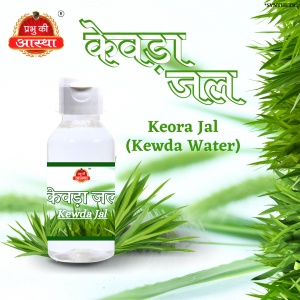
Keora water is a fragrant water made from the distilled flowers of the keora plant, also known as the pandanus plant. The keora plant is native to Southeast Asia, and is commonly used in traditional medicine, cooking, and perfumery.
Keora water is widely used in Indian and Bangladeshi cuisine to flavor sweet dishes such as rice puddings, milk-based desserts, and sweetened beverages. It is also commonly used in perfumery, particularly in the production of attars, which are traditional Indian perfumes made from natural ingredients.
In addition to its culinary and fragrance uses, keora water is also believed to have medicinal properties. It is often used in traditional medicine to treat various ailments, including digestive issues, fever, and headaches.
Keora water is typically available in specialty food stores and online, and is often used in small quantities to add a distinctive floral flavor to dishes and beverages. While keora water is generally considered safe, it is important to ensure that you are using high-quality, pure keora water to avoid potential contamination or adverse reactions.
-
 Read more
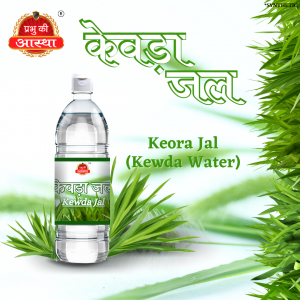
Keora water is a fragrant water made from the distilled flowers of the keora plant, also known as the pandanus plant. The keora plant is native to Southeast Asia, and is commonly used in traditional medicine, cooking, and perfumery.
Keora water is widely used in Indian and Bangladeshi cuisine to flavor sweet dishes such as rice puddings, milk-based desserts, and sweetened beverages. It is also commonly used in perfumery, particularly in the production of attars, which are traditional Indian perfumes made from natural ingredients.
In addition to its culinary and fragrance uses, keora water is also believed to have medicinal properties. It is often used in traditional medicine to treat various ailments, including digestive issues, fever, and headaches.
Keora water is typically available in specialty food stores and online, and is often used in small quantities to add a distinctive floral flavor to dishes and beverages. While keora water is generally considered safe, it is important to ensure that you are using high-quality, pure keora water to avoid potential contamination or adverse reactions.
-
 Read more
Oak oil, also known as oak gall oil, is a natural substance that is extracted from the galls, or abnormal growths, that form on oak trees. These galls are caused by a small wasp that lays its eggs on the leaves or twigs of the oak tree. When the eggs hatch, the larvae secrete a chemical that causes the plant tissue to grow abnormally, forming a gall around the developing insect.
Oak oil is produced by crushing and processing these galls, which contain tannins and other compounds that are believed to have medicinal properties. It has been used for centuries in traditional medicine to treat a variety of ailments, including diarrhea, dysentery, and inflammation.
In modern times, oak oil is still used in some natural remedies and herbal supplements, but its effectiveness has not been well-studied by scientific research. It is important to note that oak oil can be toxic in high doses, and should only be used under the guidance of a qualified healthcare professional.
-
 Read more
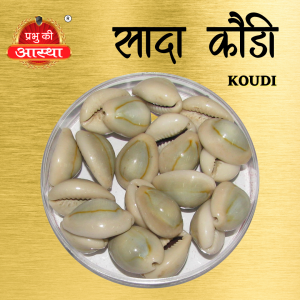
Kaudi, also known as Cowrie, is a type of sea shell that has been used for various purposes throughout history. In Hinduism, Kaudi holds great significance and is used in many religious rituals and ceremonies.
In Hinduism, Kaudi is believed to be a symbol of Goddess Mahalakshmi, the Hindu goddess of wealth, fortune, and prosperity. It is often used in pujas and other religious ceremonies to invoke the blessings of the goddess.
Kaudi is also believed to have protective properties and is often used to ward off negative energies and evil spirits. It is considered a potent talisman for attracting good luck, wealth, and prosperity.
Apart from its spiritual significance, Kaudi has also been used in various cultures and traditions around the world for different purposes. In many African cultures, it is used as currency and as a symbol of good luck and prosperity. In ancient China, Kaudi was used for divination purposes and was believed to have the power to predict the future.
In modern times, Kaudi is still used in various spiritual and cultural practices. It is often used as a decorative element in jewelry, clothing, and home decor. Kaudi shells are also used in crafting and are popular for making shell necklaces and other accessories.
Overall, Kaudi is a versatile and meaningful sea shell that holds great significance in many cultures and traditions. In Hinduism, it is a potent symbol of prosperity and is used in many religious ceremonies to invoke the blessings of the goddess Mahalakshmi.
-
 Read more
Sandalwood powder is a fine, fragrant powder that is made from the heartwood of the sandalwood tree. It is a highly valued ingredient in many cultures for its distinctive aroma and therapeutic properties.
Sandalwood powder has a calming and soothing effect on the skin, and is often used in skincare products to treat acne, inflammation, and other skin irritations. Its antiseptic properties make it a popular natural remedy for treating cuts, wounds, and other skin infections. Additionally, sandalwood powder is known for its ability to tighten pores, improve skin texture, and promote a healthy, glowing complexion.
Apart from its skincare benefits, sandalwood powder is also used in aromatherapy and meditation practices for its calming and grounding properties. The powder is often burned as incense or used in diffusers to create a relaxing and peaceful atmosphere.
Sandalwood powder can be used in a variety of ways, such as mixed with water to form a paste that can be applied directly to the skin, or added to bathwater for a soothing soak. It can also be combined with other natural ingredients such as honey, milk, or turmeric to create a range of homemade skincare remedies.
It is important to note that the quality of sandalwood powder can vary greatly, with some products being diluted or even adulterated with other substances. When purchasing sandalwood powder, it is important to choose a reputable brand that sources its sandalwood from sustainable and ethical sources.
-
 Read more
Incense dhoop, also known as “dhup” or “dhoopam,” is a type of incense that is widely used in Hindu, Buddhist, and other spiritual practices. It is typically made from a mixture of fragrant herbs, spices, and resins that are blended together and then formed into a cone or cylinder shape. The incense dhoop is then burned, producing a fragrant smoke that is believed to purify the atmosphere and enhance spiritual awareness. The use of incense dhoop is an important part of many religious ceremonies and rituals, such as puja, yajna, and meditation. It is believed to have various spiritual benefits, including purifying the mind and body, promoting relaxation and calmness, and helping to connect with the divine. The fragrant smoke produced by the incense is also said to help dispel negative energies and create a positive and peaceful atmosphere. Overall, incense dhoop is an important aspect of many spiritual practices and is highly valued for its ability to enhance one’s spiritual experience.
-
 Read more
Indian myrrh, also known as “guggul,” is a resin that is commonly used in Hindu religious ceremonies and pujas, particularly in North India. It is believed to have spiritual and medicinal properties, and is often used as an incense or offering during religious ceremonies.
In Hinduism, Indian myrrh is believed to have purifying and protective qualities, and is often used to ward off negative energies and evil spirits. It is also believed to have the ability to cleanse and purify the soul, and is used as an offering to the gods and goddesses.
In addition to its spiritual significance, Indian myrrh is also used in traditional Ayurvedic medicine to treat various ailments, including arthritis, skin disorders, and digestive issues. It is believed to have anti-inflammatory and antimicrobial properties, and is commonly used in Ayurvedic remedies and supplements.
When using Indian myrrh for puja or religious ceremonies, it is important to ensure that you are using high-quality, pure resin from a trusted source. It is also important to follow proper safety precautions, such as using a heat-resistant container and avoiding inhalation of the smoke.
Overall, Indian myrrh is a valued and versatile ingredient in Hindu religious ceremonies and traditional medicine, and is still widely used today for its spiritual and medicinal properties.
+91-70004-81239