
-
 Read more
Janmashtami Puja Samagri: Essential Offerings for Lord Krishna’s Birth Celebration Janmashtami, the celebration of Lord Krishna’s birth, is one of the most revered festivals in Hinduism. Observed with immense devotion, it marks the divine appearance of Lord Krishna on earth, who is believed to bring joy, love, and righteousness. The Janmashtami Puja is conducted with…
-
Read more
Kuber Puja Samagri: Ritual Items for Invoking Wealth and Prosperity Kuber Puja is a sacred ritual dedicated to Lord Kuber, the Hindu god of wealth, prosperity, and abundance. Performing this puja is believed to invite financial stability, success in business ventures, and an overall increase in material wealth. Lord Kuber is considered the treasurer of…
-
Read more
Kuber Puja Samagri: Ritual Items for Invoking Wealth and Prosperity Kuber Puja is a sacred ritual dedicated to Lord Kuber, the Hindu god of wealth, prosperity, and abundance. Performing this puja is believed to invite financial stability, success in business ventures, and an overall increase in material wealth. Lord Kuber is considered the treasurer of…
-
 Read more
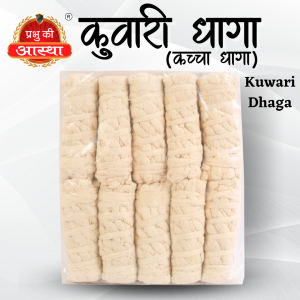
Kunwari Dhaga, also known as Kalava, is a sacred thread used in Hinduism during various auspicious occasions and puja ceremonies. It is usually made of cotton and is tied on the wrist of the person performing the puja or the person for whom the puja is being performed.
The Kunwari Dhaga is believed to be a symbol of protection, purity, and blessings from the divine. It is also said to represent the bond of love and trust between the devotee and the deity being worshipped.
During puja ceremonies, the Kunwari Dhaga is tied around the wrist of the devotee by the priest or the elder family member, along with chanting of mantras and prayers. The thread is tied on the right wrist of men and the left wrist of women.
It is also believed that wearing the Kunwari Dhaga helps in warding off negative energies and evil spirits. It is considered auspicious to wear the thread until it falls off naturally, which is believed to happen when the blessings of the deity have been fulfilled.
In conclusion, Kunwari Dhaga holds great significance in Hinduism and is an integral part of many puja ceremonies. It is a symbol of devotion, protection, and blessings from the divine.
-
 Read more
Kunwari Dhaga, also known as Kalava, is a sacred thread used in Hinduism during various auspicious occasions and puja ceremonies. It is usually made of cotton and is tied on the wrist of the person performing the puja or the person for whom the puja is being performed.
The Kunwari Dhaga is believed to be a symbol of protection, purity, and blessings from the divine. It is also said to represent the bond of love and trust between the devotee and the deity being worshipped.
During puja ceremonies, the Kunwari Dhaga is tied around the wrist of the devotee by the priest or the elder family member, along with chanting of mantras and prayers. The thread is tied on the right wrist of men and the left wrist of women.
It is also believed that wearing the Kunwari Dhaga helps in warding off negative energies and evil spirits. It is considered auspicious to wear the thread until it falls off naturally, which is believed to happen when the blessings of the deity have been fulfilled.
In conclusion, Kunwari Dhaga holds great significance in Hinduism and is an integral part of many puja ceremonies. It is a symbol of devotion, protection, and blessings from the divine.
-
 Read more
Kunwari Dhaga, also known as Kalava, is a sacred thread used in Hinduism during various auspicious occasions and puja ceremonies. It is usually made of cotton and is tied on the wrist of the person performing the puja or the person for whom the puja is being performed.
The Kunwari Dhaga is believed to be a symbol of protection, purity, and blessings from the divine. It is also said to represent the bond of love and trust between the devotee and the deity being worshipped.
During puja ceremonies, the Kunwari Dhaga is tied around the wrist of the devotee by the priest or the elder family member, along with chanting of mantras and prayers. The thread is tied on the right wrist of men and the left wrist of women.
It is also believed that wearing the Kunwari Dhaga helps in warding off negative energies and evil spirits. It is considered auspicious to wear the thread until it falls off naturally, which is believed to happen when the blessings of the deity have been fulfilled.
In conclusion, Kunwari Dhaga holds great significance in Hinduism and is an integral part of many puja ceremonies. It is a symbol of devotion, protection, and blessings from the divine.
-
 Read more
Kunwari Dhaga, also known as Kalava, is a sacred thread used in Hinduism during various auspicious occasions and puja ceremonies. It is usually made of cotton and is tied on the wrist of the person performing the puja or the person for whom the puja is being performed.
The Kunwari Dhaga is believed to be a symbol of protection, purity, and blessings from the divine. It is also said to represent the bond of love and trust between the devotee and the deity being worshipped.
During puja ceremonies, the Kunwari Dhaga is tied around the wrist of the devotee by the priest or the elder family member, along with chanting of mantras and prayers. The thread is tied on the right wrist of men and the left wrist of women.
It is also believed that wearing the Kunwari Dhaga helps in warding off negative energies and evil spirits. It is considered auspicious to wear the thread until it falls off naturally, which is believed to happen when the blessings of the deity have been fulfilled.
In conclusion, Kunwari Dhaga holds great significance in Hinduism and is an integral part of many puja ceremonies. It is a symbol of devotion, protection, and blessings from the divine.
-
 Read more
Lal Chandan Mala, also known as Red Sandalwood Mala, is a type of prayer bead necklace commonly used in Hinduism and other Eastern religions. It is made up of small, round beads carved from the wood of the red sandalwood tree. The Lal Chandan Mala is made up of 108 beads, which is a significant…
-
 Read more
Tilak Chandan Paste: Meaning and Ritual Significance Tilak Chandan paste, made from sandalwood (chandan), is a sacred substance widely used in Hindu rituals and spiritual practices. Prepared by rubbing a sandalwood stick on a stone with a few drops of water or rose water, this aromatic paste holds immense religious and cultural significance. In pujas…
-
 Read more
Rui Jyot Baati is a traditional Indian lamp made of cotton wicks and ghee or oil. It is commonly used in Hindu households for various auspicious occasions and religious ceremonies.
The lamp is made by rolling cotton wicks in ghee or oil and placing them in a small clay or metal lamp. The wicks are then lit, producing a bright flame that illuminates the surrounding area. The lamp is considered to be a symbol of divine light and is believed to bring good fortune and prosperity.
Rui Jyot Baati is often used in puja rituals and is considered to be an essential part of the worship. It is believed that lighting the lamp creates a positive and sacred environment that helps to connect with the divine.
In addition to its spiritual significance, Rui Jyot Baati is also used for its aesthetic value. The lamp creates a warm and inviting atmosphere and is often used to decorate homes during festivals and other celebrations.
Overall, Rui Jyot Baati holds great cultural and spiritual significance in Hinduism and is an integral part of many religious and cultural traditions.
-
 Read more
Rui Jyot Baati is a traditional Indian lamp made of cotton wicks and ghee or oil. It is commonly used in Hindu households for various auspicious occasions and religious ceremonies.
The lamp is made by rolling cotton wicks in ghee or oil and placing them in a small clay or metal lamp. The wicks are then lit, producing a bright flame that illuminates the surrounding area. The lamp is considered to be a symbol of divine light and is believed to bring good fortune and prosperity.
Rui Jyot Baati is often used in puja rituals and is considered to be an essential part of the worship. It is believed that lighting the lamp creates a positive and sacred environment that helps to connect with the divine.
In addition to its spiritual significance, Rui Jyot Baati is also used for its aesthetic value. The lamp creates a warm and inviting atmosphere and is often used to decorate homes during festivals and other celebrations.
Overall, Rui Jyot Baati holds great cultural and spiritual significance in Hinduism and is an integral part of many religious and cultural traditions.
-
 Read more
Clove oil is an essential oil derived from the cloves of the clove tree, scientifically known as Syzygium aromaticum. It is a versatile oil with a wide range of uses in both traditional and modern medicine.
One of the most well-known uses of clove oil is as a natural remedy for toothaches. Its antiseptic properties make it effective in treating dental pain, gum inflammation, and even bad breath. It is often used in dental procedures and as an ingredient in dental products such as toothpaste and mouthwash.
Clove oil is also used in aromatherapy due to its calming and soothing properties. It can be used to relieve stress and anxiety, promote relaxation, and improve mental clarity. It is often diffused in a room or added to bath water to create a calming and rejuvenating atmosphere.
Additionally, clove oil is used in traditional medicine to treat a variety of conditions such as headaches, respiratory infections, and digestive problems. It is also believed to have antibacterial and antifungal properties, making it effective in treating skin conditions such as acne and fungal infections.
It is important to note that clove oil should be used with caution as it can cause skin irritation and should be diluted before use. It should also not be ingested in large quantities as it can be toxic. It is always recommended to consult with a healthcare professional before using any essential oil for medicinal purposes.
In summary, clove oil is a versatile and widely used essential oil with many potential health benefits. From treating dental pain to promoting relaxation and improving skin health, it is a valuable addition to any natural medicine cabinet.
+91-70004-81239