
-
 Read more
Pashu Pati Puja is a Hindu ritual that involves the worship of cows and other domestic animals, which are considered sacred in Hinduism. The worship of cows and other animals is an important part of Hinduism, as they are seen as symbols of divine energy and represent selfless service and devotion. During the Pashu Pati…
-
 Read more
Pashu Pati Puja is a Hindu ritual that involves the worship of cows and other domestic animals, which are considered sacred in Hinduism. The worship of cows and other animals is an important part of Hinduism, as they are seen as symbols of divine energy and represent selfless service and devotion.
During the Pashu Pati Puja, cows and other domestic animals are adorned with colorful decorations and worshipped with flowers, incense, and other offerings. The puja is typically performed by farmers and herders, who rely on these animals for their livelihood and recognize their importance in maintaining the balance of nature.
The Pashu Pati Puja is believed to bring good fortune and blessings to those who perform it. It is also seen as a way to promote compassion and respect for all living beings, and to recognize the interconnectedness of all forms of life.
In addition to the Pashu Pati Puja, there are many other Hindu rituals and traditions that involve the worship of animals, including the Gau Puja (worship of the cow) and the Ashwa Puja (worship of the horse). These rituals are an important part of Hindu culture and reflect the deep reverence and respect that Hindus have for all forms of life.
-
 Read more
Tilak Chandan Paste: Meaning and Ritual Significance Tilak Chandan paste, made from sandalwood (chandan), is a sacred substance widely used in Hindu rituals and spiritual practices. Prepared by rubbing a sandalwood stick on a stone with a few drops of water or rose water, this aromatic paste holds immense religious and cultural significance. In pujas…
-
 Read more
Pila Chandan Powder: Significance and Usage in Puja Pila Chandan powder, or yellow sandalwood powder, holds a revered place in Hindu rituals and spiritual practices. Derived from the heartwood of the yellow sandalwood tree (Santalum album), this fragrant and sacred substance is widely used in puja (worship) ceremonies, especially in temples and during auspicious occasions.…
-
 Read more
Pila Kaudi or Yellow Cowrie is a type of sea shell that is widely used in Hindu religious rituals and ceremonies. It holds great significance in Hinduism, and is often used in pujas to invoke the blessings of various deities.
Pila Kaudi is primarily associated with Goddess Mahalakshmi, the Hindu goddess of wealth, fortune, and prosperity. It is believed to be a symbol of the goddess and is often used in pujas and other religious ceremonies to attract wealth and prosperity.
Apart from its association with Goddess Mahalakshmi, Pila Kaudi is also used in pujas for various other purposes. It is often used to perform rituals to ward off negative energies and evil spirits, and is believed to have protective properties.
In addition to its use in pujas and religious ceremonies, Pila Kaudi is also used for decorative purposes. It is often used to make beautiful shell necklaces and other accessories, and is a popular choice for home decor.
Overall, Pila Kaudi is an important and versatile sea shell that holds great significance in Hinduism. Its association with Goddess Mahalakshmi and its use in pujas and religious ceremonies make it a potent symbol of wealth and prosperity. Its beautiful yellow color and decorative value also make it a popular choice for various other purposes.
-
Read more
Pitra Paksha Puja Samagri Pitra Paksha, also known as Shraddha Paksha, is a 16-day period in the Hindu calendar dedicated to honoring and paying homage to one’s ancestors, known as “Pitrs.” Performing the Pitra Paksha Puja with the correct samagri (ritual items) is considered essential to ensure the proper appeasement of ancestral souls and to…
-
Read more
Pitra Paksha Puja Samagri Pitra Paksha, also known as Shraddha Paksha, is a 16-day period in the Hindu calendar dedicated to honoring and paying homage to one’s ancestors, known as “Pitrs.” Performing the Pitra Paksha Puja with the correct samagri (ritual items) is considered essential to ensure the proper appeasement of ancestral souls and to…
-
 Read more
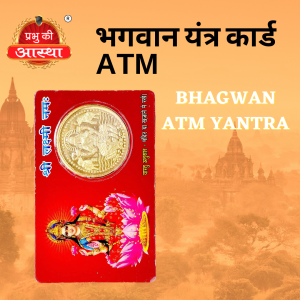
WE HAVE DIFFERENT YANTRAS IN THIS- SHANI, MAHALAXMI, KUBER, HANUMAN, BAGULAMUKHI The Bhagwan Pocket Yantra is a small, portable spiritual tool that is used for protection and good luck. Yantras are geometric designs that are believed to have powerful spiritual energy and are used in Hinduism for various purposes. The Bhagwan Pocket Yantra is a…
-
 Read more
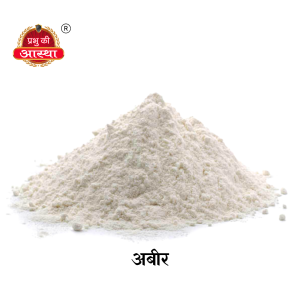
abir is often used to sprinkle over the deities and the offerings, or to mark the forehead of the devotees as a sign of blessing. The use of abir is believed to enhance the spiritual experience and create an atmosphere of joy and festivity. The various colors of abir also have specific meanings and associations…
-
 Read more
Kesar Chandan powder is a sacred powder that is often used in Hindu religious ceremonies, known as pujas, which are believed to have purifying and sacred properties. Kesar Chandan powder is used to create a fragrant paste that is applied to the forehead, known as a tilak, to invoke blessings from the deities. The powder…
-
 Read more
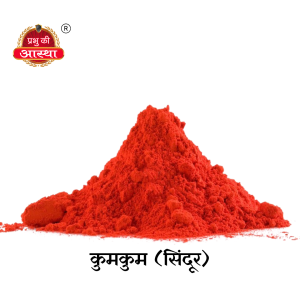
Kumkum, also known as kumkuma or sindoor, is a powder that is traditionally used in Hindu religious rituals and in traditional Indian makeup. It is made from a combination of turmeric and slaked lime, which gives it a distinctive red-orange color. Kumkum is often applied to the forehead, as a bindi or tilak, as a…
-
 Read more
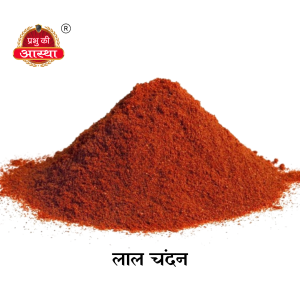
Red sandalwood powder, also known as “rakta chandan,” is a powder made from the wood of the red sandalwood tree, which is native to India. It is commonly used in Hindu religious ceremonies and pujas for its spiritual and medicinal properties. In Hinduism, red sandalwood powder is believed to have purifying and protective qualities, and…
+91-70004-81239