
-
 Read more
Incense dhoop, also known as “dhup” or “dhoopam,” is a type of incense that is widely used in Hindu, Buddhist, and other spiritual practices. It is typically made from a mixture of fragrant herbs, spices, and resins that are blended together and then formed into a cone or cylinder shape. The incense dhoop is then burned, producing a fragrant smoke that is believed to purify the atmosphere and enhance spiritual awareness. The use of incense dhoop is an important part of many religious ceremonies and rituals, such as puja, yajna, and meditation. It is believed to have various spiritual benefits, including purifying the mind and body, promoting relaxation and calmness, and helping to connect with the divine. The fragrant smoke produced by the incense is also said to help dispel negative energies and create a positive and peaceful atmosphere. Overall, incense dhoop is an important aspect of many spiritual practices and is highly valued for its ability to enhance one’s spiritual experience.
-
 Read more
Incense dhoop, also known as “dhup” or “dhoopam,” is a type of incense that is widely used in Hindu, Buddhist, and other spiritual practices. It is typically made from a mixture of fragrant herbs, spices, and resins that are blended together and then formed into a cone or cylinder shape. The incense dhoop is then burned, producing a fragrant smoke that is believed to purify the atmosphere and enhance spiritual awareness. The use of incense dhoop is an important part of many religious ceremonies and rituals, such as puja, yajna, and meditation. It is believed to have various spiritual benefits, including purifying the mind and body, promoting relaxation and calmness, and helping to connect with the divine. The fragrant smoke produced by the incense is also said to help dispel negative energies and create a positive and peaceful atmosphere. Overall, incense dhoop is an important aspect of many spiritual practices and is highly valued for its ability to enhance one’s spiritual experience.
-
 Read more
Incense dhoop, also known as “dhup” or “dhoopam,” is a type of incense that is widely used in Hindu, Buddhist, and other spiritual practices. It is typically made from a mixture of fragrant herbs, spices, and resins that are blended together and then formed into a cone or cylinder shape. The incense dhoop is then burned, producing a fragrant smoke that is believed to purify the atmosphere and enhance spiritual awareness. The use of incense dhoop is an important part of many religious ceremonies and rituals, such as puja, yajna, and meditation. It is believed to have various spiritual benefits, including purifying the mind and body, promoting relaxation and calmness, and helping to connect with the divine. The fragrant smoke produced by the incense is also said to help dispel negative energies and create a positive and peaceful atmosphere. Overall, incense dhoop is an important aspect of many spiritual practices and is highly valued for its ability to enhance one’s spiritual experience.
-
 Read more
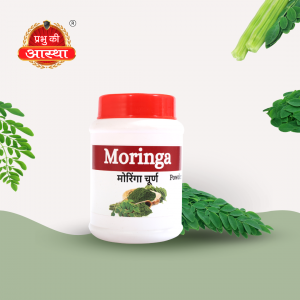
Moringa powder is a dietary supplement made from the leaves of the moringa oleifera tree. It is commonly used as a natural source of vitamins, minerals, and antioxidants. Moringa powder is rich in nutrients like vitamin C, calcium, potassium, and iron, making it a great addition to a balanced diet. It is also high in antioxidants, which help to protect the body from damage caused by free radicals. Additionally, moringa powder has anti-inflammatory properties that can help to reduce inflammation in the body. It is known for its ability to boost energy, improve digestion, and support immune function. Moringa powder can be easily incorporated into smoothies, juices, and other recipes to help increase the nutritional content of meals. Overall, moringa powder is a versatile and beneficial supplement that can help to support overall health and well-being.
-
 Read more
Moti Mala, also known as Pearl Mala, is a type of prayer bead necklace commonly used in Hinduism and other Eastern religions. It is made up of small, round pearls, which are considered precious gemstones in many cultures. The Moti Mala is made up of 108 beads, which is a significant number in Hinduism and…
-
 Read more
Mouli Kalawa, also known as Moli or Mauli, is a sacred thread used in Hinduism and is an essential part of many religious ceremonies. It is usually made of cotton or silk and is tied on the wrist of the person performing the puja or the person for whom the puja is being performed.
The Mouli Kalawa is considered as a symbol of protection, good fortune, and purity. It is believed that tying the thread on the wrist wards off negative energies and evil spirits and brings good luck and prosperity to the person wearing it.
During religious ceremonies or puja, the priest or the elder family member ties the thread on the right wrist of men and the left wrist of women while chanting mantras and prayers. The thread is usually tied in multiple loops, and the length of the thread varies depending on the region and tradition.
In addition to religious ceremonies, the Mouli Kalawa is also tied during special occasions such as weddings, childbirth, and other auspicious events. It is considered auspicious to wear the thread until it falls off naturally, which is believed to happen when the blessings of the deity or the occasion have been fulfilled.
In conclusion, Mouli Kalawa holds great significance in Hinduism and is an integral part of many religious and cultural ceremonies. It is a symbol of protection, good fortune, and purity and is believed to bring blessings and prosperity to the wearer.
-
 Read more
Mouli Kalawa, also known as Moli or Mauli, is a sacred thread used in Hinduism and is an essential part of many religious ceremonies. It is usually made of cotton or silk and is tied on the wrist of the person performing the puja or the person for whom the puja is being performed.
The Mouli Kalawa is considered as a symbol of protection, good fortune, and purity. It is believed that tying the thread on the wrist wards off negative energies and evil spirits and brings good luck and prosperity to the person wearing it.
During religious ceremonies or puja, the priest or the elder family member ties the thread on the right wrist of men and the left wrist of women while chanting mantras and prayers. The thread is usually tied in multiple loops, and the length of the thread varies depending on the region and tradition.
In addition to religious ceremonies, the Mouli Kalawa is also tied during special occasions such as weddings, childbirth, and other auspicious events. It is considered auspicious to wear the thread until it falls off naturally, which is believed to happen when the blessings of the deity or the occasion have been fulfilled.
In conclusion, Mouli Kalawa holds great significance in Hinduism and is an integral part of many religious and cultural ceremonies. It is a symbol of protection, good fortune, and purity and is believed to bring blessings and prosperity to the wearer.
-
 Read more
Mouli Kalawa, also known as Moli or Mauli, is a sacred thread used in Hinduism and is an essential part of many religious ceremonies. It is usually made of cotton or silk and is tied on the wrist of the person performing the puja or the person for whom the puja is being performed.
The Mouli Kalawa is considered as a symbol of protection, good fortune, and purity. It is believed that tying the thread on the wrist wards off negative energies and evil spirits and brings good luck and prosperity to the person wearing it.
During religious ceremonies or puja, the priest or the elder family member ties the thread on the right wrist of men and the left wrist of women while chanting mantras and prayers. The thread is usually tied in multiple loops, and the length of the thread varies depending on the region and tradition.
In addition to religious ceremonies, the Mouli Kalawa is also tied during special occasions such as weddings, childbirth, and other auspicious events. It is considered auspicious to wear the thread until it falls off naturally, which is believed to happen when the blessings of the deity or the occasion have been fulfilled.
In conclusion, Mouli Kalawa holds great significance in Hinduism and is an integral part of many religious and cultural ceremonies. It is a symbol of protection, good fortune, and purity and is believed to bring blessings and prosperity to the wearer.
-
 Read more
Mouli Kalawa, also known as Moli or Mauli, is a sacred thread used in Hinduism and is an essential part of many religious ceremonies. It is usually made of cotton or silk and is tied on the wrist of the person performing the puja or the person for whom the puja is being performed.
The Mouli Kalawa is considered as a symbol of protection, good fortune, and purity. It is believed that tying the thread on the wrist wards off negative energies and evil spirits and brings good luck and prosperity to the person wearing it.
During religious ceremonies or puja, the priest or the elder family member ties the thread on the right wrist of men and the left wrist of women while chanting mantras and prayers. The thread is usually tied in multiple loops, and the length of the thread varies depending on the region and tradition.
In addition to religious ceremonies, the Mouli Kalawa is also tied during special occasions such as weddings, childbirth, and other auspicious events. It is considered auspicious to wear the thread until it falls off naturally, which is believed to happen when the blessings of the deity or the occasion have been fulfilled.
In conclusion, Mouli Kalawa holds great significance in Hinduism and is an integral part of many religious and cultural ceremonies. It is a symbol of protection, good fortune, and purity and is believed to bring blessings and prosperity to the wearer.
-
 Read more
Mouli Kalawa, also known as Moli or Mauli, is a sacred thread used in Hinduism and is an essential part of many religious ceremonies. It is usually made of cotton or silk and is tied on the wrist of the person performing the puja or the person for whom the puja is being performed.
The Mouli Kalawa is considered as a symbol of protection, good fortune, and purity. It is believed that tying the thread on the wrist wards off negative energies and evil spirits and brings good luck and prosperity to the person wearing it.
During religious ceremonies or puja, the priest or the elder family member ties the thread on the right wrist of men and the left wrist of women while chanting mantras and prayers. The thread is usually tied in multiple loops, and the length of the thread varies depending on the region and tradition.
In addition to religious ceremonies, the Mouli Kalawa is also tied during special occasions such as weddings, childbirth, and other auspicious events. It is considered auspicious to wear the thread until it falls off naturally, which is believed to happen when the blessings of the deity or the occasion have been fulfilled.
In conclusion, Mouli Kalawa holds great significance in Hinduism and is an integral part of many religious and cultural ceremonies. It is a symbol of protection, good fortune, and purity and is believed to bring blessings and prosperity to the wearer.
-
 Read more
Mouli Kalawa, also known as Moli or Mauli, is a sacred thread used in Hinduism and is an essential part of many religious ceremonies. It is usually made of cotton or silk and is tied on the wrist of the person performing the puja or the person for whom the puja is being performed.
The Mouli Kalawa is considered as a symbol of protection, good fortune, and purity. It is believed that tying the thread on the wrist wards off negative energies and evil spirits and brings good luck and prosperity to the person wearing it.
During religious ceremonies or puja, the priest or the elder family member ties the thread on the right wrist of men and the left wrist of women while chanting mantras and prayers. The thread is usually tied in multiple loops, and the length of the thread varies depending on the region and tradition.
In addition to religious ceremonies, the Mouli Kalawa is also tied during special occasions such as weddings, childbirth, and other auspicious events. It is considered auspicious to wear the thread until it falls off naturally, which is believed to happen when the blessings of the deity or the occasion have been fulfilled.
In conclusion, Mouli Kalawa holds great significance in Hinduism and is an integral part of many religious and cultural ceremonies. It is a symbol of protection, good fortune, and purity and is believed to bring blessings and prosperity to the wearer.
-
 Read more
Mouli Kalawa, also known as Moli or Mauli, is a sacred thread used in Hinduism and is an essential part of many religious ceremonies. It is usually made of cotton or silk and is tied on the wrist of the person performing the puja or the person for whom the puja is being performed.
The Mouli Kalawa is considered as a symbol of protection, good fortune, and purity. It is believed that tying the thread on the wrist wards off negative energies and evil spirits and brings good luck and prosperity to the person wearing it.
During religious ceremonies or puja, the priest or the elder family member ties the thread on the right wrist of men and the left wrist of women while chanting mantras and prayers. The thread is usually tied in multiple loops, and the length of the thread varies depending on the region and tradition.
In addition to religious ceremonies, the Mouli Kalawa is also tied during special occasions such as weddings, childbirth, and other auspicious events. It is considered auspicious to wear the thread until it falls off naturally, which is believed to happen when the blessings of the deity or the occasion have been fulfilled.
In conclusion, Mouli Kalawa holds great significance in Hinduism and is an integral part of many religious and cultural ceremonies. It is a symbol of protection, good fortune, and purity and is believed to bring blessings and prosperity to the wearer.
+91-70004-81239