
-
 Read more
Puja Samagri is a collection of various items used in Hindu worship ceremonies, known as pujas. These items can include incense sticks, lamps, flowers, sacred powders, and various other offerings. Puja Samagri is considered essential for any Hindu worship ceremony, as they are believed to help create a sacred atmosphere and invoke the presence of the deities. Each item in the collection has a specific significance, with incense sticks believed to represent the element of air, lamps symbolizing the element of fire, and flowers representing the element of earth. The use of Puja Samagri is not limited to Hinduism alone, as many other religions and spiritual practices incorporate similar collections of items into their worship ceremonies. The use of Puja Samagri is a vital part of Hindu culture and serves as a means to connect with the divine and seek blessings for oneself and loved ones.
-
 Read more
Puja Samagri is a collection of various items used in Hindu worship ceremonies, known as pujas. These items can include incense sticks, lamps, flowers, sacred powders, and various other offerings. Puja Samagri is considered essential for any Hindu worship ceremony, as they are believed to help create a sacred atmosphere and invoke the presence of the deities. Each item in the collection has a specific significance, with incense sticks believed to represent the element of air, lamps symbolizing the element of fire, and flowers representing the element of earth. The use of Puja Samagri is not limited to Hinduism alone, as many other religions and spiritual practices incorporate similar collections of items into their worship ceremonies. The use of Puja Samagri is a vital part of Hindu culture and serves as a means to connect with the divine and seek blessings for oneself and loved ones.
-
 Read more
Puja Samagri is a collection of various items used in Hindu worship ceremonies, known as pujas. These items can include incense sticks, lamps, flowers, sacred powders, and various other offerings. Puja Samagri is considered essential for any Hindu worship ceremony, as they are believed to help create a sacred atmosphere and invoke the presence of the deities. Each item in the collection has a specific significance, with incense sticks believed to represent the element of air, lamps symbolizing the element of fire, and flowers representing the element of earth. The use of Puja Samagri is not limited to Hinduism alone, as many other religions and spiritual practices incorporate similar collections of items into their worship ceremonies. The use of Puja Samagri is a vital part of Hindu culture and serves as a means to connect with the divine and seek blessings for oneself and loved ones.
-
 Read more
Puja Samagri is a collection of various items used in Hindu worship ceremonies, known as pujas. These items can include incense sticks, lamps, flowers, sacred powders, and various other offerings. Puja Samagri is considered essential for any Hindu worship ceremony, as they are believed to help create a sacred atmosphere and invoke the presence of the deities. Each item in the collection has a specific significance, with incense sticks believed to represent the element of air, lamps symbolizing the element of fire, and flowers representing the element of earth. The use of Puja Samagri is not limited to Hinduism alone, as many other religions and spiritual practices incorporate similar collections of items into their worship ceremonies. The use of Puja Samagri is a vital part of Hindu culture and serves as a means to connect with the divine and seek blessings for oneself and loved ones.
-
 Read more
Sandalwood powder is a commonly used material in puja ceremonies in many Hindu traditions. It is derived from the wood of the sandalwood tree, which is native to southern India and is considered sacred. Sandalwood powder has a distinctive sweet, woody fragrance and a light, pale yellow color.
In puja ceremonies, sandalwood powder is often mixed with water to make a paste, which is then applied to the forehead or other parts of the body as a mark of auspiciousness. The paste is also used to make small mounds or shapes, known as chandanam, which are placed on the puja altar or offered to deities as a sign of devotion.
Sandalwood powder is believed to have many spiritual and medicinal benefits. It is said to promote tranquility, enhance concentration, and purify the mind and body. It is also believed to have antimicrobial properties and is used in Ayurvedic medicine to treat a variety of ailments.
Overall, sandalwood powder is an integral part of Hindu puja ceremonies and is valued for its aromatic, aesthetic, and spiritual qualities.
-
 Read more
Ghee batti, also known as ghee diya, is a type of lamp used in Hindu religious ceremonies, particularly during puja or worship. It is made by melting ghee, which is clarified butter, and pouring it into a small clay or metal container with a cotton wick. The wick is lit and the ghee burns slowly,…
-
 Read more
Indian myrrh, also known as “guggul,” is a resin that is commonly used in Hindu religious ceremonies and pujas, particularly in North India. It is believed to have spiritual and medicinal properties, and is often used as an incense or offering during religious ceremonies.
In Hinduism, Indian myrrh is believed to have purifying and protective qualities, and is often used to ward off negative energies and evil spirits. It is also believed to have the ability to cleanse and purify the soul, and is used as an offering to the gods and goddesses.
In addition to its spiritual significance, Indian myrrh is also used in traditional Ayurvedic medicine to treat various ailments, including arthritis, skin disorders, and digestive issues. It is believed to have anti-inflammatory and antimicrobial properties, and is commonly used in Ayurvedic remedies and supplements.
When using Indian myrrh for puja or religious ceremonies, it is important to ensure that you are using high-quality, pure resin from a trusted source. It is also important to follow proper safety precautions, such as using a heat-resistant container and avoiding inhalation of the smoke.
Overall, Indian myrrh is a valued and versatile ingredient in Hindu religious ceremonies and traditional medicine, and is still widely used today for its spiritual and medicinal properties.
-
 Read more
Gulal is a type of colored powder that is commonly used in Hindu religious ceremonies and pujas, particularly during the festival of Holi. It is made from natural ingredients such as cornstarch, flour, and natural pigments, and is available in a wide range of colors.
In Hinduism, gulal is used as an offering and a symbol of devotion, and is often thrown or smeared on the faces and clothes of other devotees as a sign of celebration and camaraderie. It is also used to decorate homes, temples, and other sacred spaces during religious ceremonies.
In addition to its religious and cultural significance, gulal is also believed to have medicinal properties. It is often used in traditional Ayurvedic medicine to treat various ailments, including skin disorders, digestive issues, and respiratory problems. Some types of gulal are also believed to have insect-repelling properties.
When using gulal for puja or religious ceremonies, it is important to ensure that you are using high-quality, natural, and non-toxic gulal from a trusted source. It is also important to follow proper hygiene and safety precautions, such as avoiding contact with the eyes and mouth, and avoiding inhalation of the powder.
Overall, gulal is a vibrant and meaningful part of Hindu religious ceremonies and festivals, and is still widely used today for its cultural, spiritual, and medicinal properties.
-
 Read more
In Hinduism, the tortoise is considered to be a symbol of stability, longevity, and perseverance. It is also associated with Lord Vishnu, one of the most important deities in Hinduism. Therefore, tortoise shells are often used in Hindu puja rituals and ceremonies. The tortoise shell is considered to be a sacred and powerful object in…
-
 Read more
Puja Kapada, also known as puja cloth or altar cloth, is an essential part of Hindu puja ceremonies. It is a piece of cloth used to cover the altar or the puja space during the ceremony.
Puja Kapada is made of different materials, including cotton, silk, and satin, and is available in various colors and designs. The choice of material and color may vary depending on the deity being worshipped, the occasion, or personal preference.
During puja ceremonies, Puja Kapada is used to cover the altar or the puja space to create a sacred and pure environment. It is believed to protect the deities being worshipped from negative energies and bring blessings to the devotees.
Puja Kapada is also used to cover the offerings made during the puja ceremony, such as flowers, fruits, and sweets. It is believed to enhance the purity and sanctity of the offerings and prevent them from being contaminated.
In addition to its use in puja ceremonies, Puja Kapada is also used as a gift or offering to the deities or the temple. It is considered a symbol of devotion and respect towards the divine.
In conclusion, Puja Kapada is an essential part of Hindu puja ceremonies and is used to create a sacred and pure environment. Its use enhances the purity and sanctity of the offerings and protects the deities from negative energies. Moreover, it is considered a symbol of devotion and respect towards the divine and is used as an offering or gift in Hindu culture.
-
 Read more
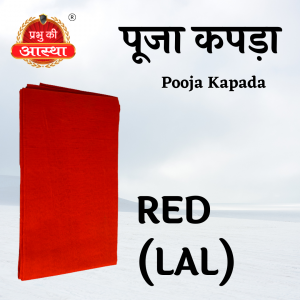
Puja Kapada, also known as puja cloth or altar cloth, is an essential part of Hindu puja ceremonies. It is a piece of cloth used to cover the altar or the puja space during the ceremony.
Puja Kapada is made of different materials, including cotton, silk, and satin, and is available in various colors and designs. The choice of material and color may vary depending on the deity being worshipped, the occasion, or personal preference.
During puja ceremonies, Puja Kapada is used to cover the altar or the puja space to create a sacred and pure environment. It is believed to protect the deities being worshipped from negative energies and bring blessings to the devotees.
Puja Kapada is also used to cover the offerings made during the puja ceremony, such as flowers, fruits, and sweets. It is believed to enhance the purity and sanctity of the offerings and prevent them from being contaminated.
In addition to its use in puja ceremonies, Puja Kapada is also used as a gift or offering to the deities or the temple. It is considered a symbol of devotion and respect towards the divine.
In conclusion, Puja Kapada is an essential part of Hindu puja ceremonies and is used to create a sacred and pure environment. Its use enhances the purity and sanctity of the offerings and protects the deities from negative energies. Moreover, it is considered a symbol of devotion and respect towards the divine and is used as an offering or gift in Hindu culture.
-
 Read more
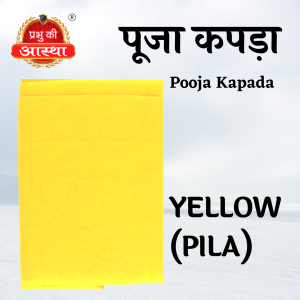
Puja Kapada, also known as puja cloth or altar cloth, is an essential part of Hindu puja ceremonies. It is a piece of cloth used to cover the altar or the puja space during the ceremony.
Puja Kapada is made of different materials, including cotton, silk, and satin, and is available in various colors and designs. The choice of material and color may vary depending on the deity being worshipped, the occasion, or personal preference.
During puja ceremonies, Puja Kapada is used to cover the altar or the puja space to create a sacred and pure environment. It is believed to protect the deities being worshipped from negative energies and bring blessings to the devotees.
Puja Kapada is also used to cover the offerings made during the puja ceremony, such as flowers, fruits, and sweets. It is believed to enhance the purity and sanctity of the offerings and prevent them from being contaminated.
In addition to its use in puja ceremonies, Puja Kapada is also used as a gift or offering to the deities or the temple. It is considered a symbol of devotion and respect towards the divine.
In conclusion, Puja Kapada is an essential part of Hindu puja ceremonies and is used to create a sacred and pure environment. Its use enhances the purity and sanctity of the offerings and protects the deities from negative energies. Moreover, it is considered a symbol of devotion and respect towards the divine and is used as an offering or gift in Hindu culture.
+91-70004-81239