Roli, also known as kumkum, is a red-colored powder that is widely used in Hindu religious ceremonies and rituals. It is made by grinding turmeric and other natural ingredients, and is often mixed with sandalwood paste or other items to create a fragrant and colorful paste. Roli is considered to be a sacred substance, and is used to mark the forehead or other body parts as a sign of blessings or auspiciousness. The red color of roli is believed to represent the creative energy of the divine feminine, and is often used to symbolize devotion, purity, and good fortune. Roli is also used in various Hindu festivals and ceremonies, such as weddings, and is often offered to deities as a sign of respect and devotion. The use of roli is an important aspect of Hindu culture and is believed to have spiritual significance in enhancing one’s connection with the divine.
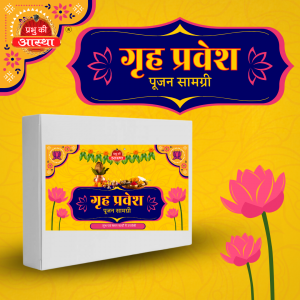
SPL. ROLI BOX
Roli, also known as kumkum, is a red-colored powder that is widely used in Hindu religious ceremonies and rituals. It is made by grinding turmeric and other natural ingredients, and is often mixed with sandalwood paste or other items to create a fragrant and colorful paste. Roli is considered to be a sacred substance, and is used to mark the forehead or other body parts as a sign of blessings or auspiciousness. The red color of roli is believed to represent the creative energy of the divine feminine, and is often used to symbolize devotion, purity, and good fortune. Roli is also used in various Hindu festivals and ceremonies, such as weddings, and is often offered to deities as a sign of respect and devotion. The use of roli is an important aspect of Hindu culture and is believed to have spiritual significance in enhancing one’s connection with the divine.
Related products
-
Read moreBhojpatra, also known as the Himalayan birch bark, is a type of tree bark that has been used in traditional Indian medicine, astrology, and spiritual practices for centuries. It is believed to have many medicinal and spiritual properties and is considered to be very sacred. Bhojpatra is a type of tree bark that is native…
-
Read moreRed sandalwood powder, also known as “rakta chandan,” is a powder made from the wood of the red sandalwood tree, which is native to India. It is commonly used in Hindu religious ceremonies and pujas for its spiritual and medicinal properties.
In Hinduism, red sandalwood powder is believed to have purifying and protective qualities, and is often used to make a paste or powder for tilak, a mark applied to the forehead as a sign of devotion. It is also used to make incense and other offerings during religious ceremonies.
Red sandalwood powder is also believed to have medicinal properties, and is often used in traditional Ayurvedic medicine to treat various ailments, including skin disorders, digestive issues, and respiratory problems. It is also believed to have anti-inflammatory and anti-bacterial properties.
When using red sandalwood powder for puja or religious ceremonies, it is important to ensure that you are using high-quality, pure powder from a trusted source. It is also important to follow proper hygiene and safety precautions, such as using clean utensils and avoiding contamination.
Overall, red sandalwood powder is a valued and versatile ingredient in Hindu religious ceremonies and traditional medicine, and is still widely used today for its spiritual and medicinal properties.
-
Read moreHanuman Kumkum is a sacred and traditional red powder used in Hindu worship and rituals. It is made from a mixture of turmeric and slaked lime, which gives it a vibrant red color. Hanuman Kumkum is named after Lord Hanuman, the monkey god and ardent devotee of Lord Rama in Hindu mythology.
This kumkum is often applied on the forehead, between the eyebrows, as a symbol of respect and devotion to the deities. It is also used to adorn idols and pictures of Hindu gods and goddesses during puja or prayer ceremonies.
In addition to its religious significance, Hanuman Kumkum is believed to have several health benefits as well. It is said to have antiseptic properties and can be used to treat minor cuts and wounds. It is also believed to have a cooling effect on the skin and can help reduce inflammation.
Overall, Hanuman Kumkum is a significant part of Hindu culture and tradition, and it holds a special place in the hearts of devotees.
-
Read moreBengali Sindur, also known as vermilion or sindoor, is a red-orange colored powder that is traditionally used by married women in Bengal as a symbol of their marital status. It is made by mixing turmeric and lime with mercury, which gives it its distinctive red-orange color. The sindur is applied by women on their hair parting and on the forehead, as a sign of their marriage and commitment to their spouse. The practice of applying sindur is considered to be auspicious and has deep cultural and religious significance in Bengali society. The sindur is also used in various religious rituals and ceremonies, and is often offered to deities as a symbol of devotion. However, it is important to note that due to the presence of mercury in traditional sindur, it can be harmful to health if ingested or applied in large amounts. As a result, many modern versions of sindur are now made without mercury, to ensure the safety of users.


Reviews
There are no reviews yet.