
abir is often used to sprinkle over the deities and the offerings, or to mark the forehead of the devotees as a sign of blessing. The use of abir is believed to enhance the spiritual experience and create an atmosphere of joy and festivity. The various colors of abir also have specific meanings and associations in Hindu culture. For example, red is often used to symbolize love and passion, while yellow is associated with knowledge and wisdom. The use of abir is an important aspect of many Hindu festivals and ceremonies, such as Holi and Diwali, and is highly valued for its ability to enhance the spiritual and cultural significance of these occasions.


Related products
-
 Read more
Bhojpatra, also known as the Himalayan birch bark, is a type of tree bark that has been used in traditional Indian medicine, astrology, and spiritual practices for centuries. It is believed to have many medicinal and spiritual properties and is considered to be very sacred. Bhojpatra is a type of tree bark that is native…
-
 Read more
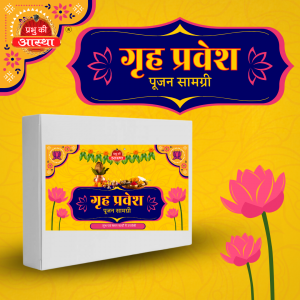
Grih Pravesh Puja Kit – Complete Essentials for an Auspicious New Beginning Step into your new home with divine blessings and positive energy using our Grih Pravesh Puja Kit, a comprehensive set of sacred items specially curated for performing the traditional housewarming ceremony. According to Vastu and Hindu traditions, a Grih Pravesh Puja cleanses the space,…
-
 Read more
Bengali Sindur, also known as vermilion or sindoor, is a red-orange colored powder that is traditionally used by married women in Bengal as a symbol of their marital status. It is made by mixing turmeric and lime with mercury, which gives it its distinctive red-orange color. The sindur is applied by women on their hair parting and on the forehead, as a sign of their marriage and commitment to their spouse. The practice of applying sindur is considered to be auspicious and has deep cultural and religious significance in Bengali society. The sindur is also used in various religious rituals and ceremonies, and is often offered to deities as a symbol of devotion. However, it is important to note that due to the presence of mercury in traditional sindur, it can be harmful to health if ingested or applied in large amounts. As a result, many modern versions of sindur are now made without mercury, to ensure the safety of users.
-
 Read more
Kumkum, also known as kumkuma or sindoor, is a powder that is traditionally used in Hindu religious rituals and in traditional Indian makeup. It is made from a combination of turmeric and slaked lime, which gives it a distinctive red-orange color. Kumkum is often applied to the forehead, as a bindi or tilak, as a symbol of marriage, and for religious or cultural purposes. In addition to its use in rituals, kumkum has also been used in traditional medicine for its antiseptic and anti-inflammatory properties. Some people use it as a natural remedy for skin conditions such as acne and eczema. While kumkum is generally considered safe for external use, it should not be ingested or used in excessive amounts. It is important to purchase kumkum from a trusted source and to avoid using products that contain harmful additives or chemicals.
Reviews
There are no reviews yet.