
Puja Samagri is a collection of various items used in Hindu worship ceremonies, known as pujas. These items can include incense sticks, lamps, flowers, sacred powders, and various other offerings. Puja Samagri is considered essential for any Hindu worship ceremony, as they are believed to help create a sacred atmosphere and invoke the presence of the deities. Each item in the collection has a specific significance, with incense sticks believed to represent the element of air, lamps symbolizing the element of fire, and flowers representing the element of earth. The use of Puja Samagri is not limited to Hinduism alone, as many other religions and spiritual practices incorporate similar collections of items into their worship ceremonies. The use of Puja Samagri is a vital part of Hindu culture and serves as a means to connect with the divine and seek blessings for oneself and loved ones.

Related products
-
 Read more
Bhoomi Puja Samagri Kit – Invoke Divine Blessings for a Strong Foundation Start your construction journey with divine grace using our Bhoomi Puja Samagri Kit, a complete set of sacred items specially curated for performing the traditional Bhoomi Puja. This essential Vedic ritual is performed before the start of construction on land to seek blessings from…
-
 Read more
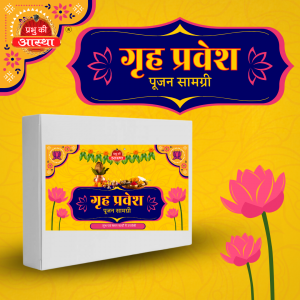
Grih Pravesh Puja Kit – Complete Essentials for an Auspicious New Beginning Step into your new home with divine blessings and positive energy using our Grih Pravesh Puja Kit, a comprehensive set of sacred items specially curated for performing the traditional housewarming ceremony. According to Vastu and Hindu traditions, a Grih Pravesh Puja cleanses the space,…
-
 Read more
In Hinduism, Surya is the deity associated with the sun. It is believed that worshiping Surya can bring health, wealth, and prosperity to one’s life. One way to worship Surya is by installing a copper Surya hanging on the gate of one’s house. The copper Surya is believed to have powerful energy and can help…
-
 Read more
Shani Puja is a Hindu ritual performed to appease Lord Shani, the God of Justice and Karma. This puja is believed to remove the malefic effects of Saturn in one’s horoscope and bring peace and prosperity in their life. The puja involves the chanting of mantras, offering of puja items, and performing aarti to Lord…
Reviews
There are no reviews yet.