
abir is often used to sprinkle over the deities and the offerings, or to mark the forehead of the devotees as a sign of blessing. The use of abir is believed to enhance the spiritual experience and create an atmosphere of joy and festivity. The various colors of abir also have specific meanings and associations in Hindu culture. For example, red is often used to symbolize love and passion, while yellow is associated with knowledge and wisdom. The use of abir is an important aspect of many Hindu festivals and ceremonies, such as Holi and Diwali, and is highly valued for its ability to enhance the spiritual and cultural significance of these occasions.


Related products
-
 Read more
Diwali Puja Samagri – Complete Kit for a Divine & Auspicious Celebration Celebrate the festival of lights with devotion and purity using our Diwali Puja Samagri, a specially curated kit that includes all essential items required to perform a traditional Diwali Puja at home or in the office. This complete set is ideal for Lakshmi-Ganesh Puja,…
-
 Read more
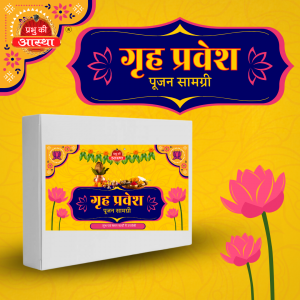
Grih Pravesh Puja Kit – Complete Essentials for an Auspicious New Beginning Step into your new home with divine blessings and positive energy using our Grih Pravesh Puja Kit, a comprehensive set of sacred items specially curated for performing the traditional housewarming ceremony. According to Vastu and Hindu traditions, a Grih Pravesh Puja cleanses the space,…
-
 Read more
Roli, also known as kumkum, is a red-colored powder that is widely used in Hindu religious ceremonies and rituals. It is made by grinding turmeric and other natural ingredients, and is often mixed with sandalwood paste or other items to create a fragrant and colorful paste. Roli is considered to be a sacred substance, and…
-
 Read more
Red sandalwood powder, also known as “rakta chandan,” is a powder made from the wood of the red sandalwood tree, which is native to India. It is commonly used in Hindu religious ceremonies and pujas for its spiritual and medicinal properties.
In Hinduism, red sandalwood powder is believed to have purifying and protective qualities, and is often used to make a paste or powder for tilak, a mark applied to the forehead as a sign of devotion. It is also used to make incense and other offerings during religious ceremonies.
Red sandalwood powder is also believed to have medicinal properties, and is often used in traditional Ayurvedic medicine to treat various ailments, including skin disorders, digestive issues, and respiratory problems. It is also believed to have anti-inflammatory and anti-bacterial properties.
When using red sandalwood powder for puja or religious ceremonies, it is important to ensure that you are using high-quality, pure powder from a trusted source. It is also important to follow proper hygiene and safety precautions, such as using clean utensils and avoiding contamination.
Overall, red sandalwood powder is a valued and versatile ingredient in Hindu religious ceremonies and traditional medicine, and is still widely used today for its spiritual and medicinal properties.
Reviews
There are no reviews yet.