

Kumkum, also known as kumkuma or sindoor, is a powder that is traditionally used in Hindu religious rituals and in traditional Indian makeup. It is made from a combination of turmeric and slaked lime, which gives it a distinctive red-orange color. Kumkum is often applied to the forehead, as a bindi or tilak, as a symbol of marriage, and for religious or cultural purposes. In addition to its use in rituals, kumkum has also been used in traditional medicine for its antiseptic and anti-inflammatory properties. Some people use it as a natural remedy for skin conditions such as acne and eczema. While kumkum is generally considered safe for external use, it should not be ingested or used in excessive amounts. It is important to purchase kumkum from a trusted source and to avoid using products that contain harmful additives or chemicals.


Related products
-
 Read more
Tilak Chandan Paste: Meaning and Ritual Significance Tilak Chandan paste, made from sandalwood (chandan), is a sacred substance widely used in Hindu rituals and spiritual practices. Prepared by rubbing a sandalwood stick on a stone with a few drops of water or rose water, this aromatic paste holds immense religious and cultural significance. In pujas…
-
 Read more
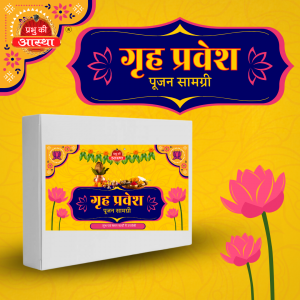
Grih Pravesh Puja Kit – Complete Essentials for an Auspicious New Beginning Step into your new home with divine blessings and positive energy using our Grih Pravesh Puja Kit, a comprehensive set of sacred items specially curated for performing the traditional housewarming ceremony. According to Vastu and Hindu traditions, a Grih Pravesh Puja cleanses the space,…
-
 Read more
Shining Powder is a cleaning and shining powder used for various household purposes. It is a popular product in India and is used for cleaning brass, copper, silver, steel, and aluminum utensils. Shining Powder is a blend of natural ingredients like lemon, neem, and tamarind that work together to remove dirt, stains, and grime from household items and leave them with a shiny finish. The powder is easy to use and requires minimal effort to apply. Simply mix the powder with water to form a paste, apply it to the surface to be cleaned, and then rinse it off with water. The product is also safe for use on cookware and food utensils, making it an ideal choice for those who want to maintain the cleanliness and hygiene of their kitchen. Overall, Shining Powder is a versatile and effective cleaning solution that can be used in various settings to maintain the shine and cleanliness of household items.
-
 Read more
Roli, also known as kumkum, is a red-colored powder that is widely used in Hindu religious ceremonies and rituals. It is made by grinding turmeric and other natural ingredients, and is often mixed with sandalwood paste or other items to create a fragrant and colorful paste. Roli is considered to be a sacred substance, and is used to mark the forehead or other body parts as a sign of blessings or auspiciousness. The red color of roli is believed to represent the creative energy of the divine feminine, and is often used to symbolize devotion, purity, and good fortune. Roli is also used in various Hindu festivals and ceremonies, such as weddings, and is often offered to deities as a sign of respect and devotion. The use of roli is an important aspect of Hindu culture and is believed to have spiritual significance in enhancing one’s connection with the divine.
Reviews
There are no reviews yet.